Keynote Speaker and Healthcare Transformation Strategist
- Elected to the National Academy of Medicine
- Enterprise quality improvement strategy
- Data-driven strategic operational execution









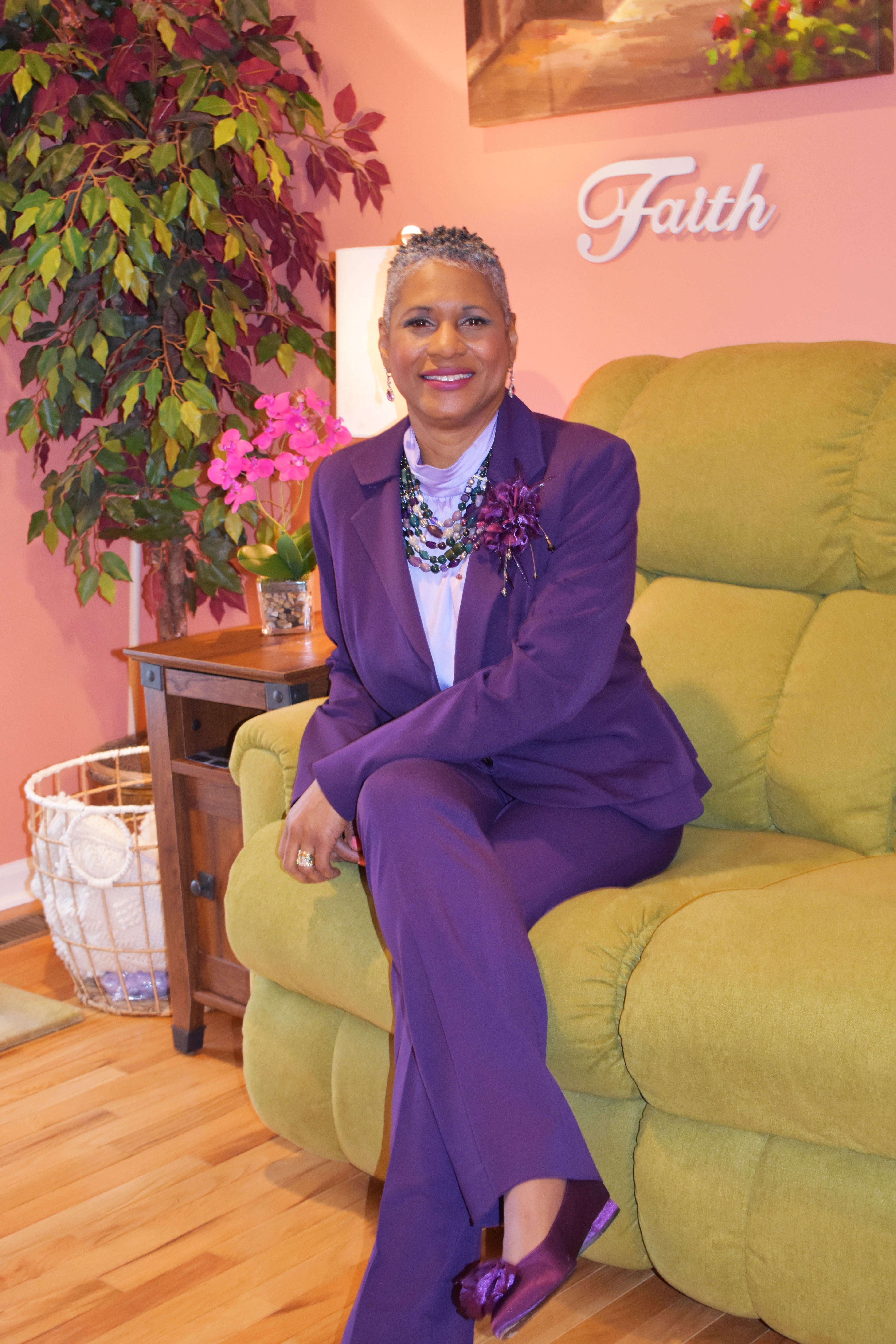
The career title only tells part of the story
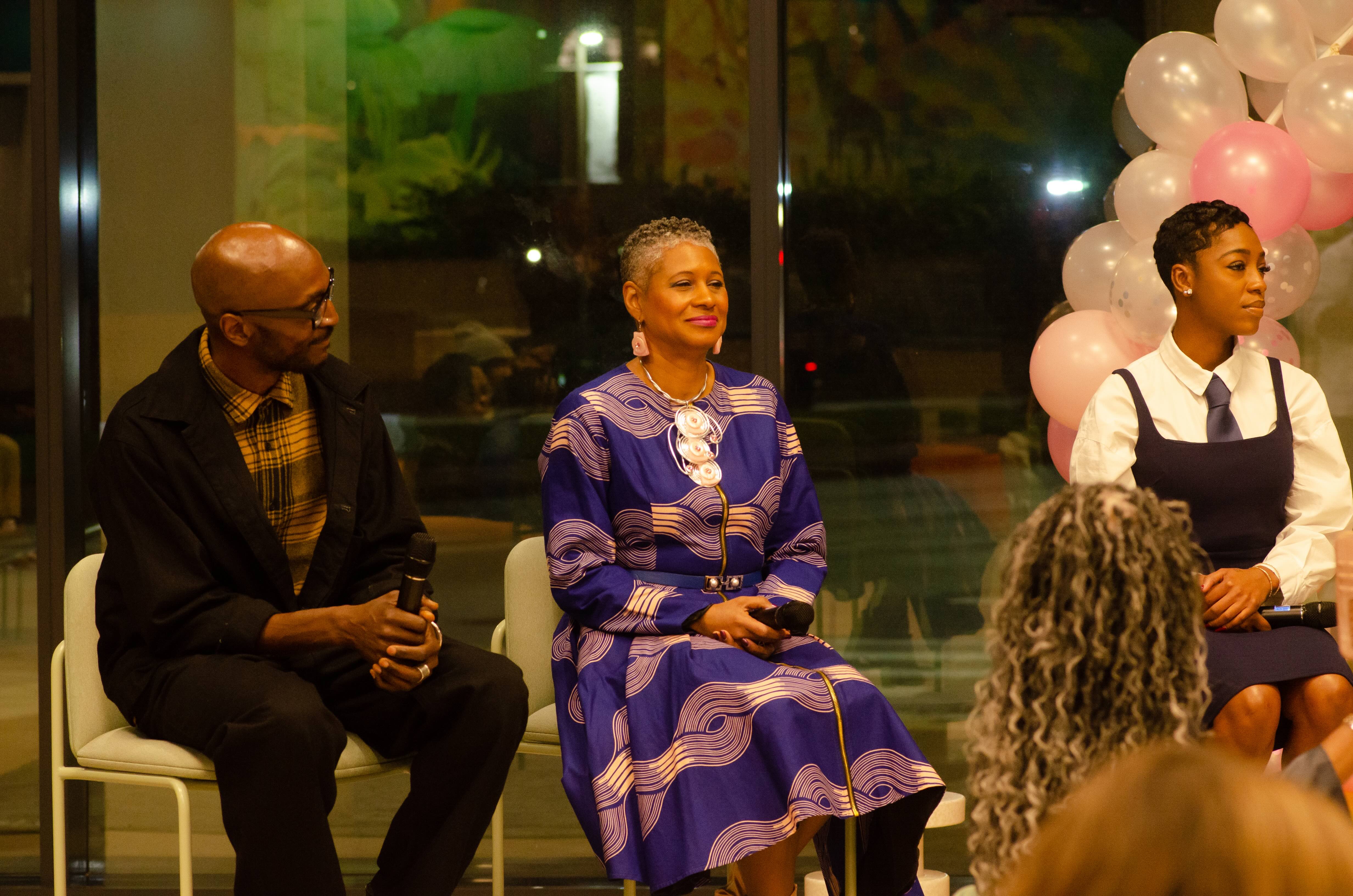
My work examines how hormones shape cardiovascular risk in postmenopausal women and diabetes risk in people with depression, why diabetes takes a heavier toll on some communities than others, and how we can build smarter systems to protect vulnerable patients.
But the career title only tells part of the story. I launched my academic career with a 10-month-old at home, climbing the tenure ladder while building clinical programs, stepping into executive leadership, and learning — sometimes the hard way — what it means to sustain yourself through it all. Navigating our healthcare system as a caregiver for my aging parents gave me yet another vantage point: what it actually feels like to be on the other side.
Those experiences clarified what I believe: that resilience is built deliberately, that burnout is a signal worth listening to, and that the most meaningful progress happens when we're honest about what we're really up against. That's the perspective I bring to every person and organization I have the privilege of advising. I believe lasting change happens when leaders are bold enough to build solutions from the inside out, with the voices of their people at the center.

I believe lasting change happens when leaders are bold enough to build solutions from the inside out
I believe lasting change happens when leaders are bold enough to build solutions from the inside out, with the voices of their people at the center.
The G.O.L.D.E.N. Lens Framework
Healthcare transformation fails when strategy, people, and execution aren’t aligned

G — Grounded in Evidence

Every strategy begins with data, quality metrics, and best practices — and with the discipline to understand their limits in the complexity of real-world care.
“We respect the data — and we interrogate it.”
O — Oriented to People
Sustainable change happens at the point of care and connection — which means centering the lived experience of patients, clinicians, employees, and communities in every improvement effort.
“No metric matters if people don’t.”
L — Led by Purpose
Improvement work must be anchored in organizational mission, values, and equity commitments — not shaped by compliance requirements or the optics of the moment.
“Purpose is a strategy, not a slogan.”
D — Designed for Execution
Vision without execution is aspiration. Every strategy is translated into practical, implementable plans that leaders and frontline teams can actually carry forward — and sustain.
“Big thinking, real-world delivery.”
E — Engaging Stakeholders
Trust and alignment across silos don’t happen by announcement — they are built deliberately, turning disengaged stakeholders into co-owners of the change they are being asked to lead.
“Nothing sustainable is built alone.”
N — Nurturing Resilience
The goal is not to help organizations survive disruption — it is to help them grow stronger through it, building cultures that can learn, adapt, and lead with confidence through uncertainty.
“Resilience is built before the crisis.”
My Values and Leadership Philosophy


of care

Experience in numbers
Recognition for excellence in healthcare leadership